
Minal Dani, co-founder, secretary and treasurer of Asha, shares with Tania Roy new initiatives, success stories and how the NGO has been fighting violence and injustice against women
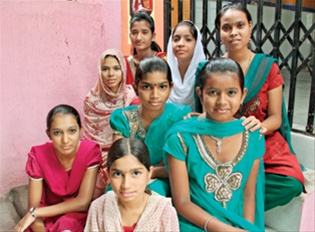
On Saturday, June 15, seven underprivileged girls belonging to the Janata Vasahat slum community near Parvati temple, Sahakarnagar, were all smiles. They had every reason to be happy. The girls had appeared for the 10th Boards and had made it to the successful list of candidates who have passed the secondary exam this year.
As a token of appreciation for their efforts, city-based NGO Asha, which sponsored the girls’ education from 6th standard onwards, gave away wrist watches to the students and organised a felicitation programme.
“We have been running scholarship programmes for the girls from the 6th to 10th standard. Education not only helps them secure a better future for themselves, but also makes them aware of their rights,” says Asha co-founder, secretary and treasurer Minal Dani.
All the girls are eager to enrol in a college. One of them wants to pursue fashion design and the highest scorer, who has obtained 78.4 per cent in the Boards, is looking forward to taking up Science or Commerce.
Altogether there are 60 girls in the project. Besides sponsoring their education, Asha takes care of their nutritional needs and organises fun and educational trips to places like Mahabaleshwar, Chincholi Morachi and so on. It also networks with other NGOs like Innocent Heroes Foundation, which has been training Asha’s girls in Kathak. Recently, they performed at a concert in the city.
“We also do psychological assessments and organise grief group and individual therapy sessions. Coming from alcoholic families, the children experience higher levels of depression and anxiety, which is why we need to organise counselling and therapy sessions,” says Dani, who has a Masters in Psychology and has worked extensively in emergency rooms in the USA doing psychiatric evaluations.
Since the early 90s Asha, which was co-founded by the late Shyama Nair and Dani, and has president Harbans Gill, vice-president Rati Forbes, psychiatrist Neha Pande and paediatrician Dr Anupama Sen on board, has been spreading awareness among slum women about their rights.
“We also started a very unique module for crisis intervention for women in distress. Instead of having a separate office, we started having a presence at the Faraskhana Police Station, in Budhwar Peth, since 1996. This module has been extremely helpful because we get police help,” shares Dani and adds, “When a woman is battered and bruised, and thrown out of her home without any belongings or children, and comes to us for help, we want her to understand the whole process and then make decisions for herself. There can be decisions which can give her instant relief versus decisions which can help her in the long run. Our job is to empower the woman and encourage her to take the long-term decisions,” shares Dani.
Asha also gives them psychiatric help, medical assistance, financial aid, but at the same time it doesn’t encourage dependency. “We have our own helpline 9421016006 and through Sakal’s Tanishka Foundation we also get calls. Many of our previous clients and the police also send us new clients. For all the women, we offer crisis intervention free of charge, which includes legal aid, psychiatric help and so on. We also network with other agencies and send them to shelter homes. But we don’t monitor their lives after the crisis is over,” says Dani.
Every year, Asha has almost 300 new clients and 2,000 follow-ups, which is a lot to deal with!
NEW INITIATIVE
Asha recently started the Early Intervention Project. “Through this project, our clients — women who have sought our help for counselling and other kind of assistance, and finally have emerged out of crisis — help children in orphanages who need special attention. We have five caretakers for 10 kids. Right now, we are working with SOFOSH,” says Dani. These kids mostly have developmental delays, or hearing or visual impairment. “Sometimes the caretakers (who may have lost everything in life) get emotionally attached to the kids. But we are training them to be more professional,” notes Dani. 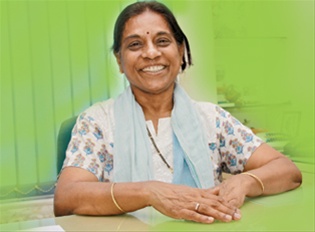 Minal Dani, co-founder, secretary and treasurer of Asha, shares with Tania Roy new initiatives, success stories and how the NGO has been fighting violence and injustice against women
On Saturday, June 15, seven underprivileged girls belonging to the Janata Vasahat slum community near Parvati temple, Sahakarnagar, were all smiles. They had every reason to be happy. The girls had appeared for the 10th Boards and had made it to the successful list of candidates who have passed the secondary exam this year.
As a token of appreciation for their efforts, city-based NGO Asha, which sponsored the girls’ education from 6th standard onwards, gave away wrist watches to the students and organised a felicitation programme.
“We have been running scholarship programmes for the girls from the 6th to 10th standard. Education not only helps them secure a better future for themselves, but also makes them aware of their rights,” says Asha co-founder, secretary and treasurer Minal Dani.
All the girls are eager to enrol in a college. One of them wants to pursue fashion design and the highest scorer, who has obtained 78.4 per cent in the Boards, is looking forward to taking up Science or Commerce.
Altogether there are 60 girls in the project. Besides sponsoring their education, Asha takes care of their nutritional needs and organises fun and educational trips to places like Mahabaleshwar, Chincholi Morachi and so on. It also networks with other NGOs like Innocent Heroes Foundation, which has been training Asha’s girls in Kathak. Recently, they performed at a concert in the city.
 “We also do psychological assessments and organise grief group and individual therapy sessions. Coming from alcoholic families, the children experience higher levels of depression and anxiety, which is why we need to organise counselling and therapy sessions,” says Dani, who has a Masters in Psychology and has worked extensively in emergency rooms in the USA doing psychiatric evaluations.
Since the early 90s Asha, which was co-founded by the late Shyama Nair and Dani, and has president Harbans Gill, vice-president Rati Forbes, psychiatrist Neha Pande and paediatrician Dr Anupama Sen on board, has been spreading awareness among slum women about their rights.
“We also started a very unique module for crisis intervention for women in distress. Instead of having a separate office, we started having a presence at the Faraskhana Police Station, in Budhwar Peth, since 1996. This module has been extremely helpful because we get police help,” shares Dani and adds, “When a woman is battered and bruised, and thrown out of her home without any belongings or children, and comes to us for help, we want her to understand the whole process and then make decisions for herself. There can be decisions which can give her instant relief versus decisions which can help her in the long run. Our job is to empower the woman and encourage her to take the long-term decisions,” shares Dani.
Asha also gives them psychiatric help, medical assistance, financial aid, but at the same time it doesn’t encourage dependency. “We have our own helpline 9421016006 and through Sakal’s Tanishka Foundation we also get calls. Many of our previous clients and the police also send us new clients. For all the women, we offer crisis intervention free of charge, which includes legal aid, psychiatric help and so on. We also network with other agencies and send them to shelter homes. But we don’t monitor their lives after the crisis is over,” says Dani.
Every year, Asha has almost 300 new clients and 2,000 follow-ups, which is a lot to deal with!
NEW INITIATIVE
Asha recently started the Early Intervention Project. “Through this project, our clients — women who have sought our help for counselling and other kind of assistance, and finally have emerged out of crisis — help children in orphanages who need special attention. We have five caretakers for 10 kids. Right now, we are working with SOFOSH,” says Dani. These kids mostly have developmental delays, or hearing or visual impairment. “Sometimes the caretakers (who may have lost everything in life) get emotionally attached to the kids. But we are training them to be more professional,” notes Dani.