
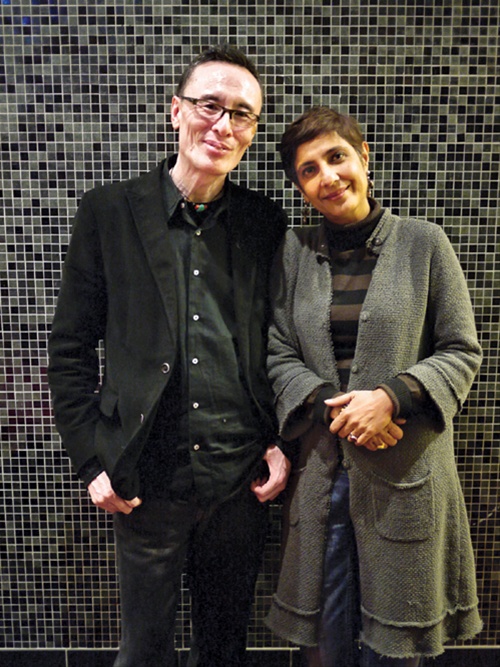
 Indian filmmaker Ritu Sarin, who is based in Dharamshala, shares with Tania Roy her passion for films and her views on the Tibet struggle
An Indian filmmaker and producer based in Dharamshala since 1996, Ritu Sarin and her husband, Tenzing Sonam, have been making films since their student days. In 1985, she and Sonam worked on their first film together, The New Puritans: The Sikhs of Yuba City. In 1987, the couple began work as programme directors at the Meridian Trust, a Buddhist and Tibet-related film archive and production company. During this time, they documented a number of historic trips made by the Dalai Lama, including his Nobel Peace Prize visit to Norway. They founded their own company, White Crane Films, in 1991. Since then, all their films have been made under its banner.
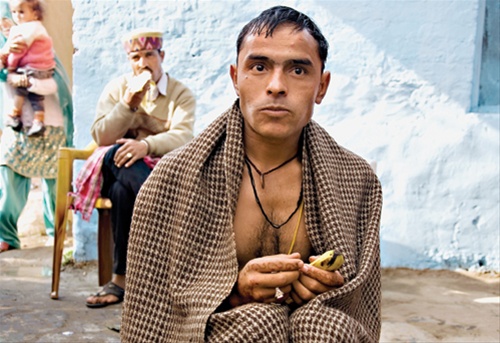
Their latest documentary, When Hari Got Married, is about Hari, a taxi driver from Dharamshala, as he prepares for his marriage to a girl he has only seen once, and that too, with her face covered. Hari’s unusual courtship and his eventual marriage provide an illuminating insight into the changes taking place in India.
The trailer of your recently-released documentary When Hari got Married is hilarious and immediately catches the viewer’s attention. What made you choose the theme of ‘arranged marriage’ in these changing times?
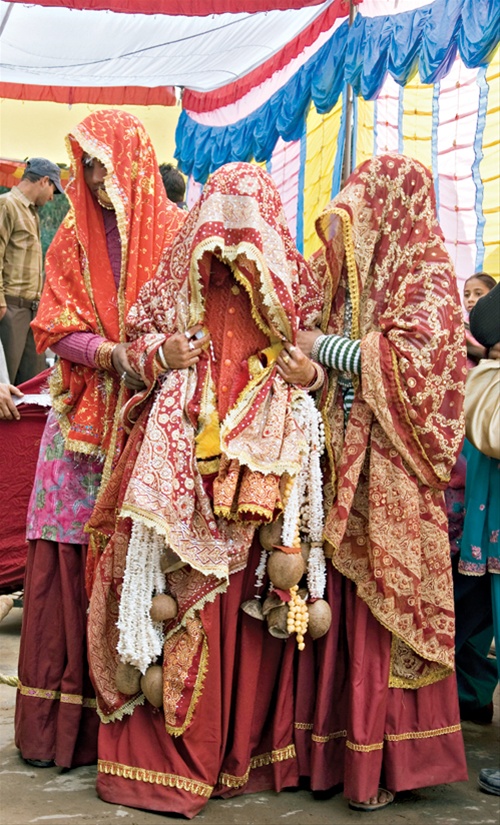 Well, we’ve always been interested in exploring that junction where tradition meets modernity. We’ve known Hari since he was a teenager. He lives in a village next to our home in Dharamshala. We know his entire family. Hari had told us that he was getting married when it was first fixed two years earlier.
Some months before the wedding, he informed us that he had managed to get hold of his fiancee’s mobile number and that they were talking to each other everyday. It seemed like an interesting way to look at the changing landscape of small-town India — following Hari’s very unique courtship on the phone with his bride-to-be whom he had never met — so we decided to start filming him.
The film has garnered rave reviews in the festival circuit, but will it appeal to urban Indian youngsters?
We think it will. The film got a great response even in a country like South Korea, where they don’t have arranged marriages anymore. They could relate to the human story. Even in Europe, where the audiences were young and as far removed from arranged marriages as you can imagine, they enjoyed the film and laughed and cried with Hari. In India, we think the film will have a greater connect. Hari’s sense of humour is very much homegrown and Indians will understand the nuances of his comments much better than a foreign audience. And who is not drawn to a heart-warming story of love and marriage?
 Does the documentary have references to Tibet’s exiled community?
There is one character in the film who is a Tibetan lady. She is one of Hari’s regular clients and they often have long conversations during their taxi drives. We filmed them during some of their journeys and her conversations with Hari were really important because through them some of Hari’s dilemmas come to the fore.
For over two decades, you and Tenzing have been documenting Tibet’s freedom struggle, focusing on its issues of exile, cultural identity and political aspirations. Do you see a ray of hope, a change in China’s stance towards Tibet?
No. Sadly, the situation in Tibet is worse now than it’s ever been. China is taking a very tough stance towards the Dalai Lama even though he has tried everything to engage them in a peaceful settlement of the Tibet question, including giving up the demand for independence. In the last three years, more than 120 Tibetans have self-immolated in Tibet, in protest against Chinese rule. That is the only avenue open to them to express their unhappiness as Tibet is currently under martial law-like conditions.
In 2012, you and Tenzing founded the non-profit organisation, White Crane Arts & Media, to promote contemporary art, cinema and independent media practices. How has it shaped up?
This was a long-held dream. Very little cultural activity takes place in small towns and we believe it is very important for everyone to have exposure to the arts and media. Our first event was the Dharamshala International Artists’ Workshop, organised in collaboration with Delhi-based KHOJ International Artists’ Association. We brought together 12 artists — Tibetan, Indian and international — and they spent 12 days together. It was a wonderful collaboration. Soon after, we organised the first Dharamshala International Film Festival. We got a great response and were able to bring 26 films — both features and documentaries — many of which were India premieres. This year, our festival will run from October 24 to 27, and we are busy gearing up for it.
If you can throw light on the ‘Tenzing-Ritu’ collaboration? How does it work?
Well, Tenzing and I have been making films together for more than 25 years. We each have our strengths: Tenzing does all the writing; I do the producing; and we direct and edit together. I am much better at going out into the world whereas Tenzing prefers to be in the background. But the important thing is that we share similar passions and concerns, so we rarely have a problem when it comes to what we want to make a film about. There is very little separation in our personal lives and our work: the two are completely interwoven, and our kids are also very much a part of it.